Zdieľať

Po naskenovaní sa otvorí tento kameň. Vytlač si ho, nalep na kartičku alebo ho zdieľaj.
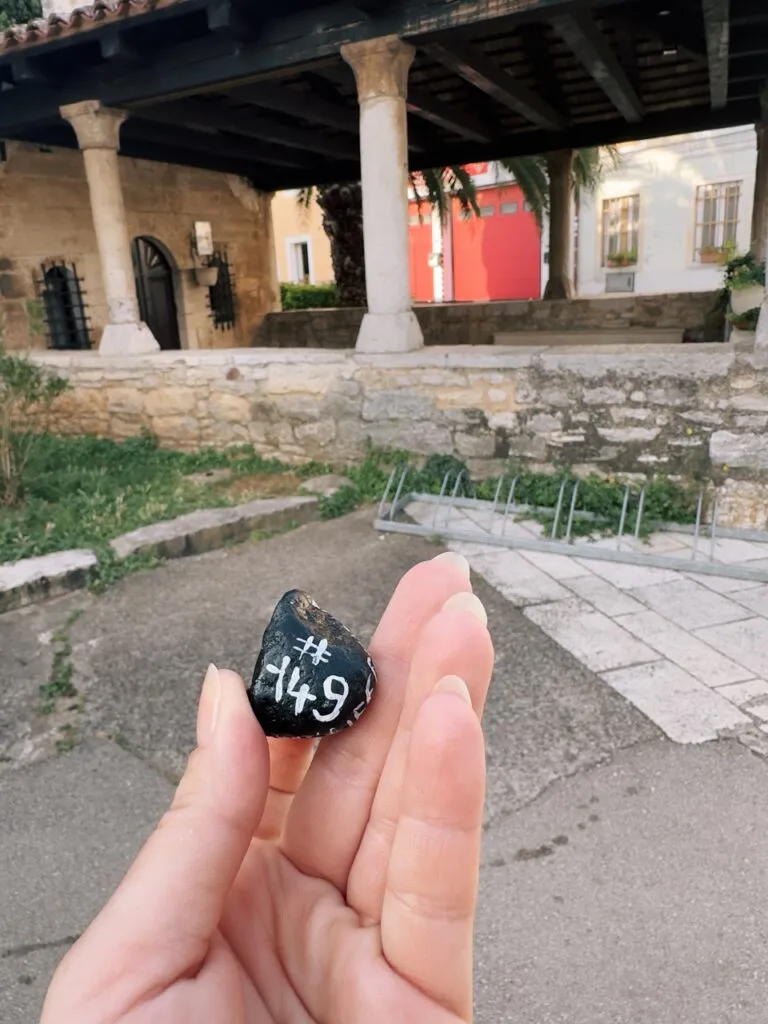
#149 Church of Our Lady of Mount Carmel
Church of Our Lady of Mount Carmel, Fažana, Chorvátsko
O tomto kameni
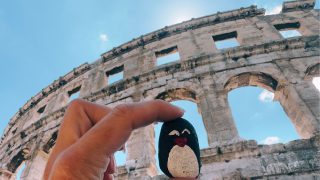
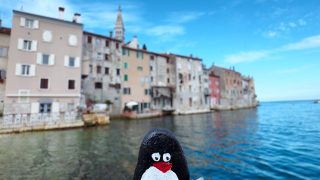
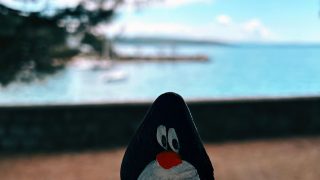
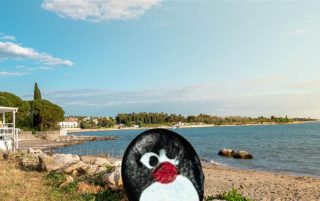
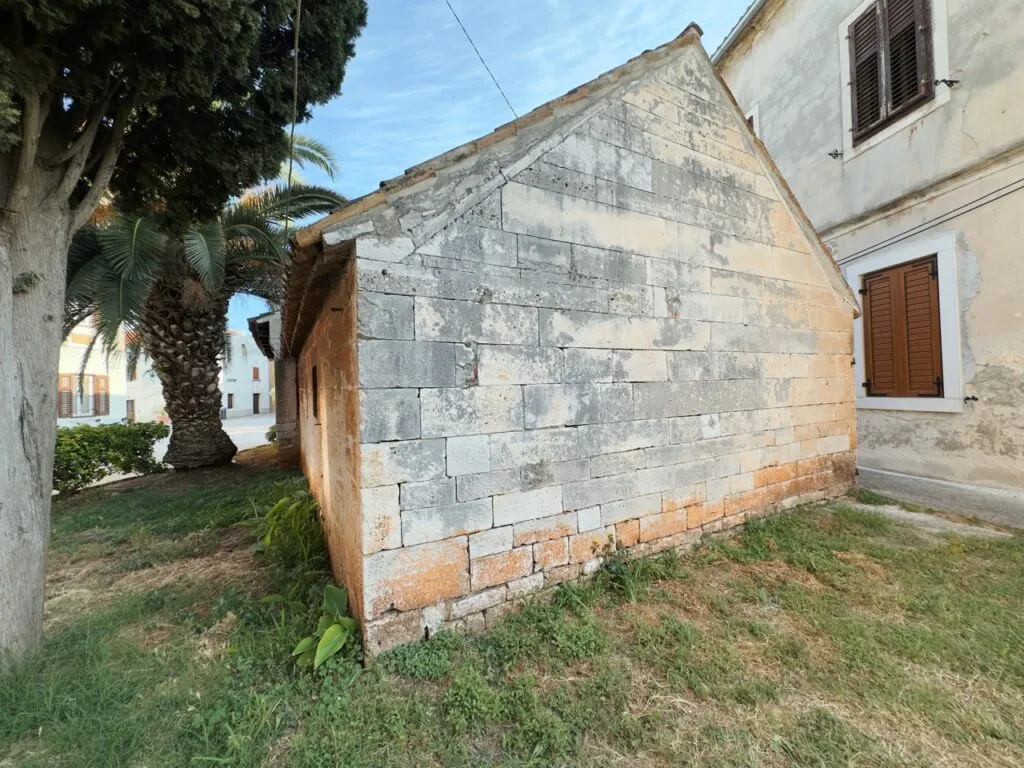
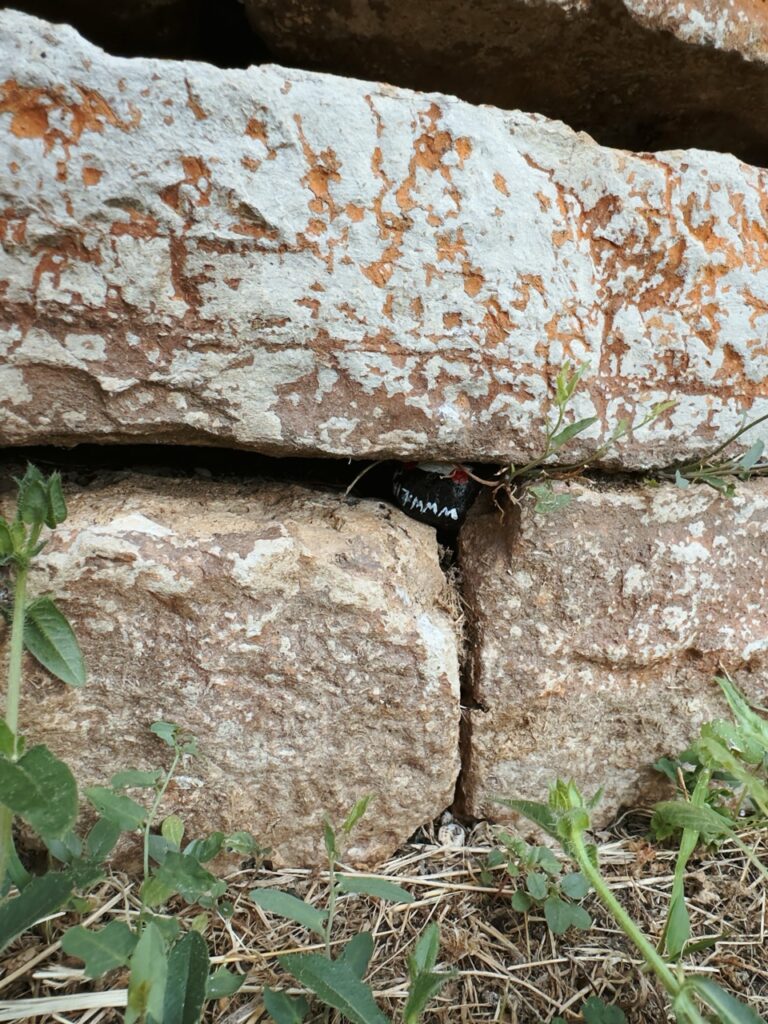
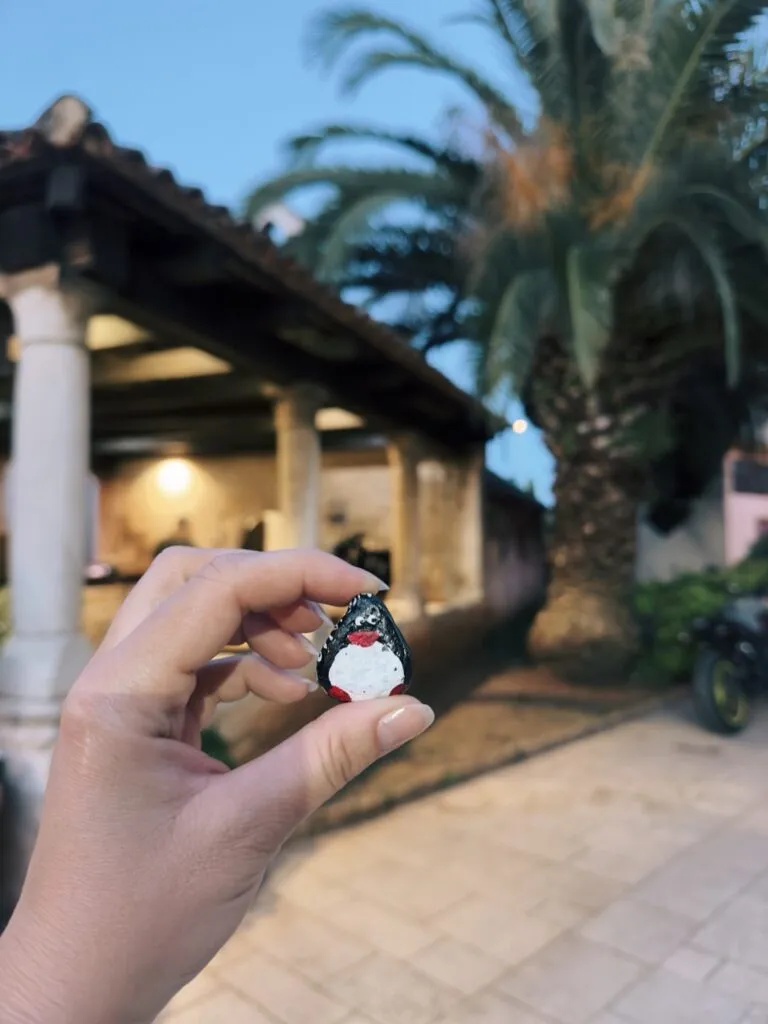
V srdci dedinky stojí malý jednoloďový kostolík zo 14. storočia, pravdepodobne postavený na mieste ešte staršieho kostola z 9. storočia, hoci z tejto staršej stavby sa nezachovali žiadne pozostatky. Toto miesto má hlboké historické korene a dodnes tvorí dôležitú súčasť charakteru celej dedinky. Práve tu nájdeš tučniakový kameň zastrčený v jednej zo štrbín na zadnej strane kostola – teraz podopiera múry chrámu a je šikovne ukrytý za obyčajným kameňom.
Strojovo preložené z angličtiny · zobraziť originál
At the heart of the village stands a small, aisleless church built in the 14th century, possibly constructed on the site of an even older church from the 9th century, though no remains of that earlier structure have been preserved. The spot has deep historical roots and remains an important part of the village's character. Here you'll find a penguin stone tucked into one of the church's slits on the back side, now supporting the church walls and cleverly hidden behind a regular stone.
Fotky
O kameni
- Číslo kameňa #149
- Typ 🐧 Bežný
- Stav Ukrytý
- Mesto Fažana
- Krajina Chorvátsko
- Dátum ukrytia 8. júla 2024
- Ukryl(a) @misko_the_penguin
🐧 Našiel sa tento kameň?
Zatiaľ ho nikto nenašiel — tvoj nález môže byť prvý!
„Nie“ otvorí krátke hlásenie, aby sme ho mohli označiť ako stratený — číslo kameňa sa vyplní samo.

Je teraz ukrytý inde? Napíš nám, kde je teraz.
✈️ Ideš do krajiny Chorvátsko?
Naplánuj si zvyšok cesty s Miškovými cestovateľskými sprievodcami na Lifeguine, blogu, kde projekt Penguinstones začal.
Články o krajine Chorvátsko na Lifeguine (po anglicky) →Chceš ukryť kameň?
Pridaj sa k celosvetovému hľadaniu tučniakových kameňov a rozdaj trochu radosti.
Chcem štartovací balíčekPodpor Penguinstones
Pomôž pokryť materiál a poštovné pre nových členov komunity.
Podpor nás na Ko-fiMiškov mesačný e-mail (po anglicky)
Nové tučniakové kamene a cestovateľské príbehy, raz za mesiac.
Darček zadarmo: cestovateľský plánovač na vytlačenie po potvrdení e-mailu.
Prihlásiť sa