Späť na mapu
 QR kód (obrázok) PNG
QR kód na tlač SVG
Zdieľať
Po naskenovaní sa otvorí tento kameň. Vytlač si ho, nalep na kartičku alebo ho zdieľaj.
🐧 Bežný
Ukrytý
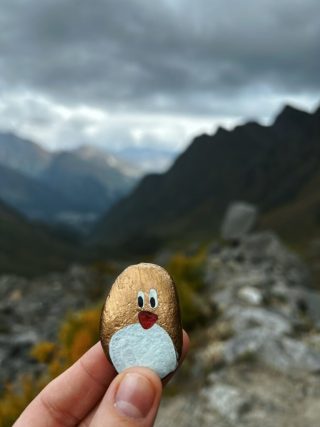
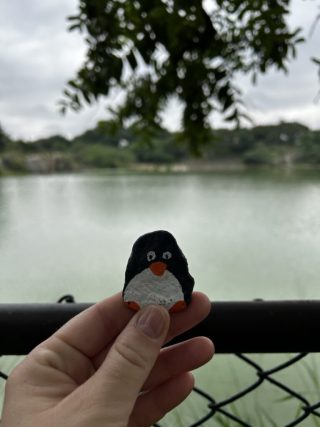
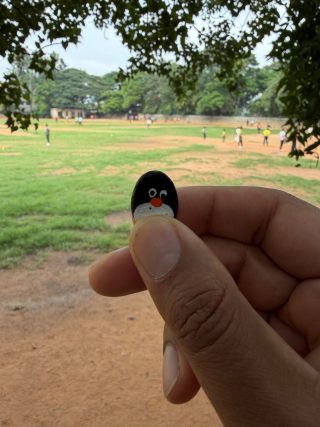
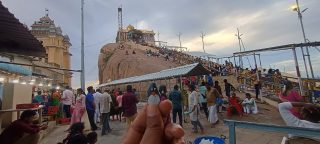
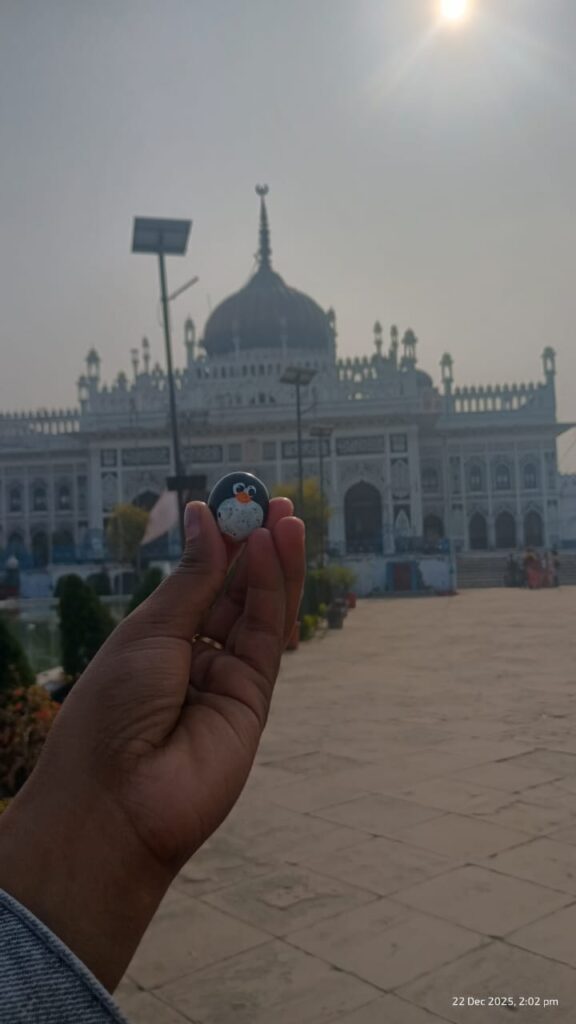
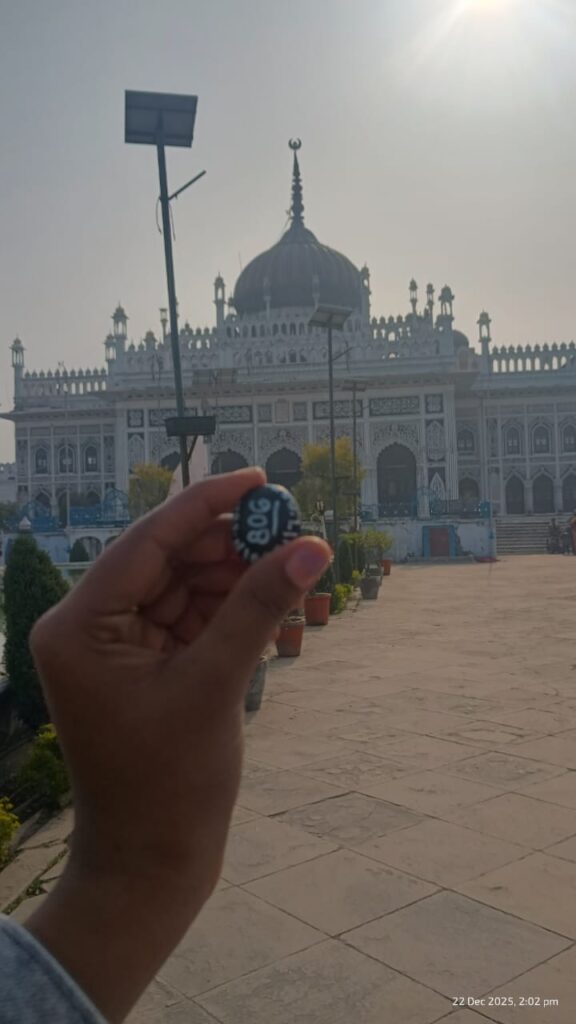
#806 Chhota Imambara
Chhota Imambara, Lucknow, India
O tomto kameni
Túto elegantnú indo-islamskú pamiatku dal v roku 1838 postaviť Muhammad Ali Shah, tretí naváb z Awadhu. Pôvodne bola navrhnutá ako zhromažďovacia sieň pre šiitských moslimov, no neskôr sa stala jeho mauzóleom. Interiéry sú honosne vyzdobené trblietavými lustrami dovezenými z Európy, zložitými štukovými prácami a nádherne vpísanými veršami z Koránu, ktoré ukazujú vycibrený vkus vládnucej triedy Awadhu. Stavba si vyslúžila prezývku „Palác svetiel“, pretože počas mesiaca muharram žiari tisíckami lámp a sviečok, čo tento priestor premieňa na dychberúce divadlo svedčiace o hlbokom zmysle navábov pre veľkoleposť a umelecké vyjadrenie. Pokojné okolie a architektonická nádhera z nej robia jeden z najpôsobivejších historických pokladov mesta.
Strojovo preložené z angličtiny · zobraziť originál
Built in 1838 by Muhammad Ali Shah, the third Nawab of Awadh, this elegant Indo-Islamic monument was originally conceived as a congregation hall for Shia Muslims before becoming his mausoleum. The interiors are lavishly decorated with shimmering chandeliers imported from Europe, intricate stucco work, and beautifully inscribed Quranic verses that showcase the refined taste of Awadh's ruling class. The structure earned its nickname, the "Palace of Lights," because during Muharram it glows with thousands of lamps and candles, transforming the space into a breathtaking display that speaks to the Nawabs' deep appreciation for grandeur and artistic expression. The peaceful surroundings and architectural splendor make it one of the city's most striking historical treasures.
Fotky
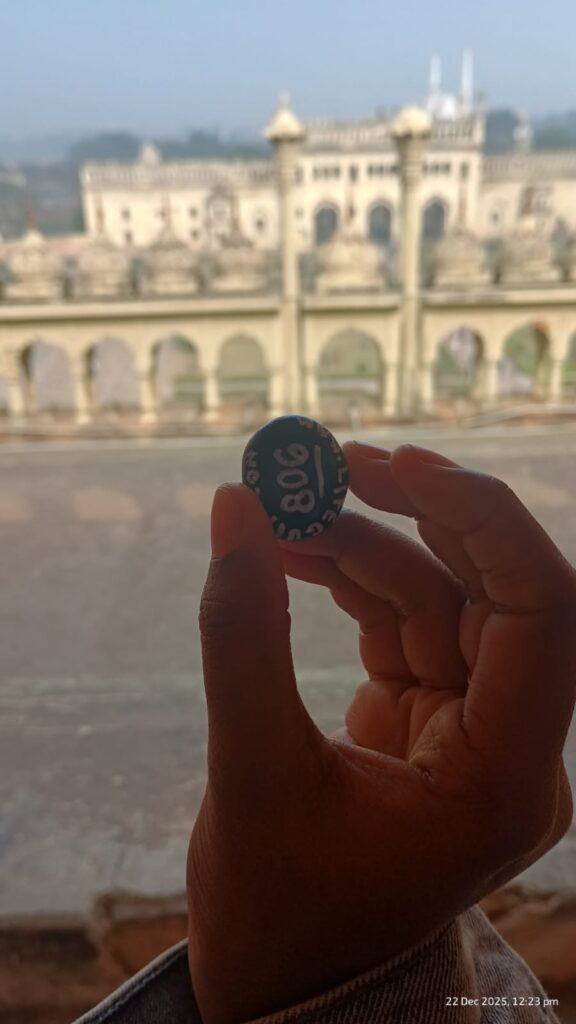
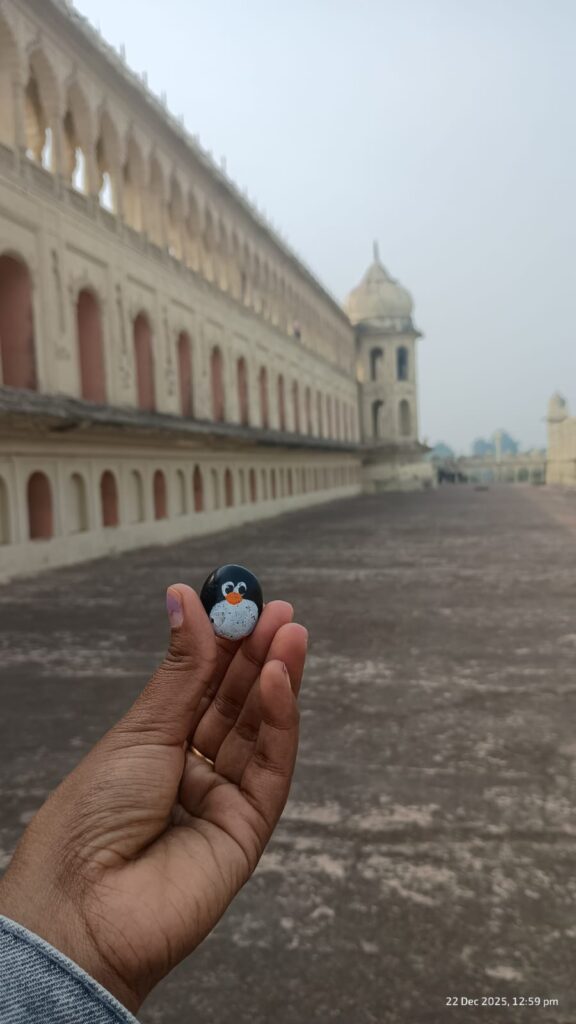
O kameni
- Číslo kameňa #806
- Typ 🐧 Bežný
- Stav Ukrytý
- Mesto Lucknow
- Krajina India
- Dátum ukrytia 7. januára 2026
- Ukryl(a) @_prabha.karan._
🐧 Našiel sa tento kameň?
Zatiaľ ho nikto nenašiel — tvoj nález môže byť prvý!
„Nie“ otvorí krátke hlásenie, aby sme ho mohli označiť ako stratený — číslo kameňa sa vyplní samo.

Je teraz ukrytý inde? Napíš nám, kde je teraz.
🐧
Chceš ukryť kameň?
Pridaj sa k celosvetovému hľadaniu tučniakových kameňov a rozdaj trochu radosti.
Chcem štartovací balíčekPodpor Penguinstones
Pomôž pokryť materiál a poštovné pre nových členov komunity.
Podpor nás na Ko-fiMiškov mesačný e-mail (po anglicky)
Nové tučniakové kamene a cestovateľské príbehy, raz za mesiac.
Darček zadarmo: cestovateľský plánovač na vytlačenie po potvrdení e-mailu.
Prihlásiť sa